Yellowstone National Park, located primarily in the U.S. state of Wyoming but stretching into Montana and Idaho, stands as one of the world’s most remarkable and captivating natural wonders. Established on March 1, 1872, it holds the prestigious title of being the first national park in the United States and, indeed, the entire world. Spanning an impressive 2.2 million acres, this vast wilderness is a treasure trove of geothermal marvels, diverse landscapes, and abundant wildlife. From awe-inspiring geysers and colorful hot springs to majestic canyons and roaring waterfalls, Yellowstone truly is nature’s untamed wonderland.
Top Things To See in Yellow Stone National Park
Old Faithful: This iconic geyser is one of the most famous features in the park, erupting regularly and impressively. Yellowstone is renowned for its extraordinary geothermal features, making it a geological playground unlike any other. The park houses over 10,000 geysers, hot springs, fumaroles, and mud pots, with Old Faithful being the most celebrated. Old Faithful’s reliably regular eruptions attract thousands of visitors each year, eagerly awaiting the magnificent display of boiling water and steam that shoots high into the sky.
Grand Prismatic Spring: The largest hot spring in the United States, known for its vibrant colors caused by heat-loving bacteria. The Grand Prismatic Spring, located in the Midway Geyser Basin, is another of Yellowstone’s iconic attractions. This massive hot spring showcases a mesmerizing palette of vibrant colors, created by heat-loving bacteria flourishing in the scalding waters. The result is a breathtaking blend of reds, oranges, yellows, and blues that seem like a living artist’s canvas.
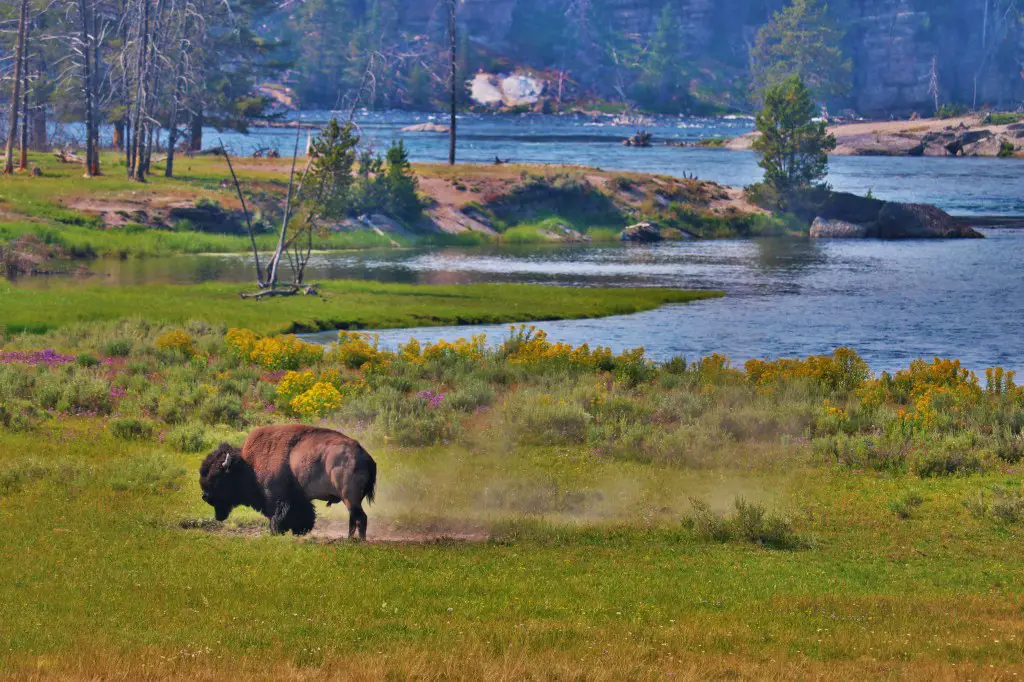
Wildlife Viewing: Yellowstone National Park is a haven for wildlife, with vast, undisturbed habitats providing a sanctuary for numerous species. Roaming freely throughout the park are herds of bison, elk, and pronghorn, as well as the elusive and majestic gray wolf. Grizzly bears and black bears can also be spotted foraging for food, while the park’s rivers and lakes offer opportunities to catch a glimpse of playful river otters and graceful trumpeter swans. Yellowstone is not only home to large mammals but also hosts a vast array of bird species. Birdwatchers can delight in observing the vibrant Western Tanager, the striking Harlequin Duck, and the powerful Bald Eagle soaring through the skies.
Mammoth Hot Springs: Explore the terraces and travertine formations created by the flow of hot water from underground.
Grand Canyon of the Yellowstone: Admire the impressive canyon and the magnificent Lower Falls and Upper Falls. Within Yellowstone’s boundaries lie a diverse range of landscapes that will leave visitors in awe of Mother Nature’s artistry. The Grand Canyon of the Yellowstone, carved by the mighty Yellowstone River, showcases towering cliffs and two awe-inspiring waterfalls: the 308-foot-tall Lower Falls and the 109-foot-tall Upper Falls.
Lamar Valley: A premier location for wildlife viewing, known for its diverse animal population, including wolves, bison, and elk.
Hayden Valley: Another excellent spot for wildlife watching, particularly bison and grizzly bears.
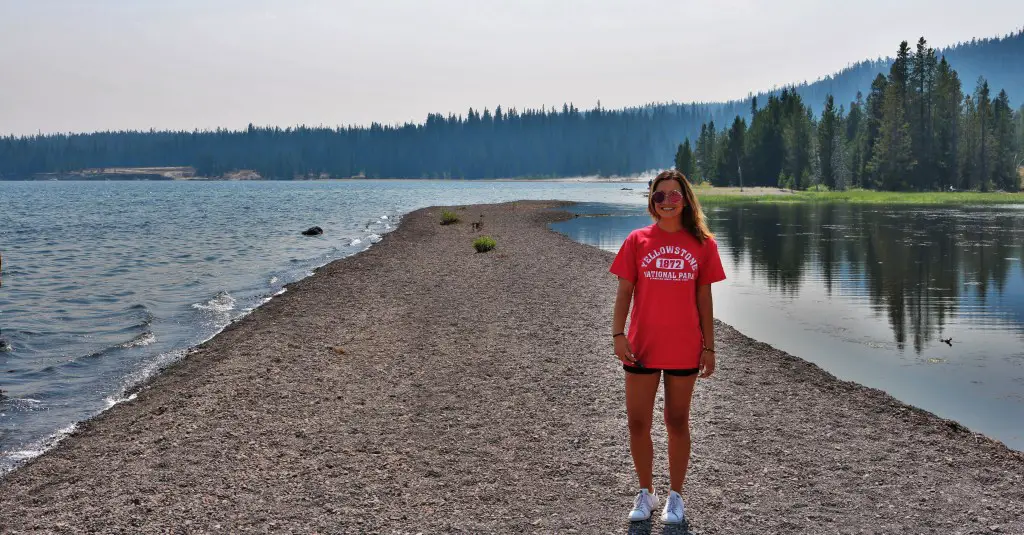
Yellowstone Lake: The largest high-elevation lake in North America, offering stunning views and opportunities for boating and fishing. Yellowstone Lake adds to the park’s splendor, providing a serene and reflective surface surrounded by a tapestry of mountains and forests.
Artist Paint Pots: Witness the bubbling, colorful mud pots formed by the interaction of hot water and acid-rich gases with the earth.
Tower Fall: A picturesque waterfall located in the Tower-Roosevelt area of the park.
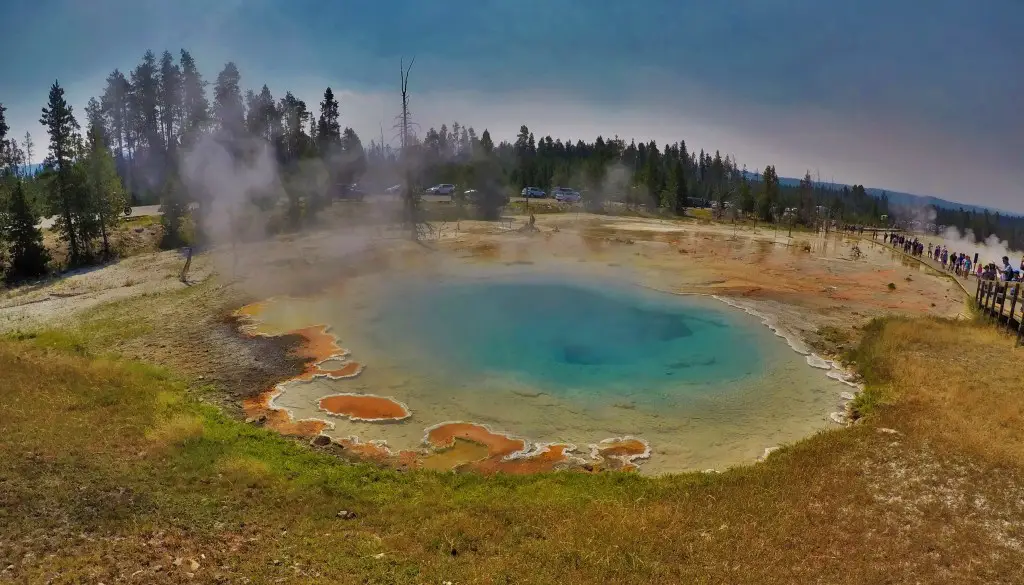
Norris Geyser Basin: Home to a wide array of geothermal features, including geysers, hot springs, and steam vents.
West Thumb Geyser Basin: This geothermal area is located on the shores of Yellowstone Lake, featuring hot springs and geysers with lake views.
Beartooth Highway: Although technically outside the park, this scenic drive offers breathtaking views and a unique perspective of the surrounding landscapes.Mount Washburn: Hike to the summit for panoramic views of the park’s vast wilderness.
Fountain Paint Pot: Observe the boiling mud, fumaroles, and geysers in this hydrothermal area.
Norris Museum: Learn about Yellowstone’s geology and thermal features at the Norris Geyser Basin Museum.
Yellowstone’s establishment as the world’s first national park was a visionary move by the U.S. government to protect and preserve this natural wonderland for future generations. Over the years, conservation efforts and strict regulations have been put in place to safeguard the park’s delicate ecosystem.
Visitors are urged to follow Leave No Trace principles, respecting wildlife and refraining from disturbing the geothermal features. By practicing responsible tourism, we can collectively ensure the longevity of Yellowstone’s pristine landscapes. Yellowstone’s beauty is truly awe-inspiring, so take your time to enjoy and appreciate its unique landscapes and geothermal marvels.
Top Things to see near yellowstone national park
Grand Teton National Park: Located just south of Yellowstone, Grand Teton National Park is a breathtaking destination known for its rugged mountain peaks, pristine lakes, and abundant wildlife. The iconic Teton Range offers stunning photo opportunities and excellent hiking trails.
Jackson Hole: This picturesque valley town is the gateway to Grand Teton National Park. Enjoy the charming town atmosphere, visit art galleries, dine in local restaurants, and take in the scenic views of the surrounding mountains.
Beartooth Highway: Often referred to as the most beautiful drive in America, the Beartooth Highway takes you on a winding journey through high alpine plateaus, rocky peaks, and breathtaking vistas. The highway connects Cooke City, Montana, to the northeast entrance of Yellowstone.
Cody, Wyoming: Named after the legendary Buffalo Bill Cody, this historic town offers a glimpse into the Old West. Visit the Buffalo Bill Center of the West, which houses five museums dedicated to Western art, firearms, natural history, and Plains Indian cultures.
Bighorn Canyon National Recreation Area: Located east of Yellowstone, this area features the stunning Bighorn Canyon, known for its towering cliffs and pristine waters. Take a boat tour or hike along the canyon rim for incredible views.
Yellowstone IMAX Theater: Located in West Yellowstone, Montana, this theater screens an awe-inspiring film about the park’s natural wonders. It’s a great way to get an overview of Yellowstone’s beauty before exploring it firsthand.
Mesa Falls: Situated in the Caribou-Targhee National Forest, Mesa Falls comprises Upper and Lower Falls. These impressive waterfalls are easily accessible and offer beautiful viewpoints for photography.
Grizzly & Wolf Discovery Center: Located in West Yellowstone, this wildlife park provides a safe and educational experience to learn about grizzly bears and gray wolves through observation and interpretation.
Henry’s Fork: A famous fly fishing destination, Henry’s Fork offers anglers a chance to catch native trout in a scenic setting near the town of Island Park.
West Thumb Geyser Basin: Situated on the shore of Yellowstone Lake, this geyser basin features hot springs and geysers with the backdrop of the lake and Absaroka Mountains.
These attractions complement the wonders of Yellowstone National Park and provide visitors with an opportunity to explore the diverse beauty of the surrounding region. Whether you’re interested in wildlife, scenic drives, outdoor activities, or history, there’s something for everyone near Yellowstone.
 Travels Through Nature